Paying Cash at the Counter? Here's How to Do It Without the Sticker Shock

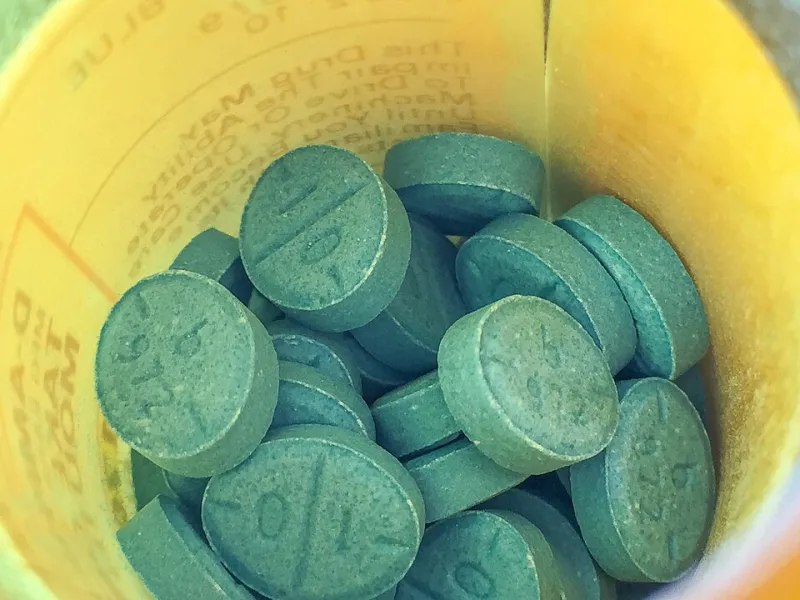
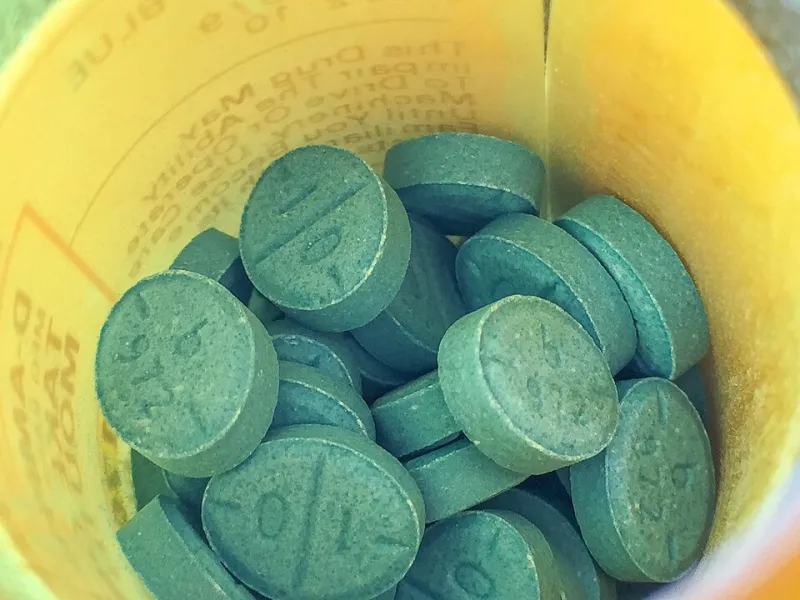
Photo: Senior Airman Eunique Stevens, Public domain, via Wikimedia Commons
There's a moment every cash-paying pharmacy customer knows well. The pharmacist slides the bag across the counter, quotes a number, and your brain does the math against your grocery budget before you've even reached for your wallet.
If your private plan has a deductible you haven't hit yet, or the medication you need isn't listed on your provincial formulary, that number can sting. But paying out of pocket doesn't have to mean paying full freight. Let's break down the options.
First, Figure Out Why You're Paying Cash
Not all out-of-pocket situations are the same, and the fix depends on the cause:
- You have private insurance, but a deductible or copay tier is eating you alive. Many plans cover 80% after you've paid a certain amount, which means the first few months of the year hit hardest.
- Your drug isn't on the provincial formulary. Every province maintains a list of what public plans will cover, and some newer or brand-name medications simply don't make the cut.
- You have no plan at all. A growing share of working-age Canadians fall into this gap, especially the self-employed and gig workers.
Knowing which camp you're in tells you which door to knock on first.
Patient Assistance Programs: The Underused Lifeline
Most people don't realize that many drug manufacturers run patient assistance programs for exactly this situation. If your medication is expensive, specialty, or newly approved, there may be a program that covers part or all of the cost for those who qualify based on income or lack of coverage.
Your pharmacist or the manufacturer's website is the best starting point. It takes a bit of paperwork, but the payoff can be hundreds of dollars a month.
Discount Cards and Pharmacy Pricing Tiers
Here's where things get interesting. The cash price for the same medication can vary wildly between pharmacies, sometimes by 40% or more for identical generics. Online pharmacies, in particular, tend to run leaner operations and pass those savings along, especially when you order a 90-day supply instead of 30.
A few things worth doing:
- Ask for the cash price, not the insured price. Sometimes the sticker price beats what your plan would negotiate.
- Compare 30-day vs. 90-day fills. The per-day cost of a longer fill is almost always lower.
- Check if a discount program applies. Many online pharmacies offer their own pricing tiers or membership discounts for regular customers.
When Switching Medications Makes Financial Sense
This is a conversation to have with your doctor, not a decision to make alone. But it's worth raising. If you're on a brand-name drug with a generic equivalent, the switch can cut your cost dramatically. If there's a therapeutic alternative in the same drug class that happens to be on the provincial formulary, that's worth exploring too.
Doctors aren't always aware of what things cost at the pharmacy, so it's on you to bring it up. A simple "is there a less expensive option that works just as well?" can save you real money over a year.
The Transparency Advantage
One of the best things about shopping online for prescriptions is that the price is right there on the screen before you commit. No awkward counter moments, no wondering if you're being overcharged. You can compare, calculate, and order on your own schedule.
For Canadians used to opaque pricing and surprise totals, that visibility alone is worth the switch. Paying out of pocket is never fun, but with the right combination of assistance programs, smart fill strategies, and honest price comparisons, it doesn't have to break the bank.