Same Pill, Smaller Price: How Generics Get the Green Light in Canada
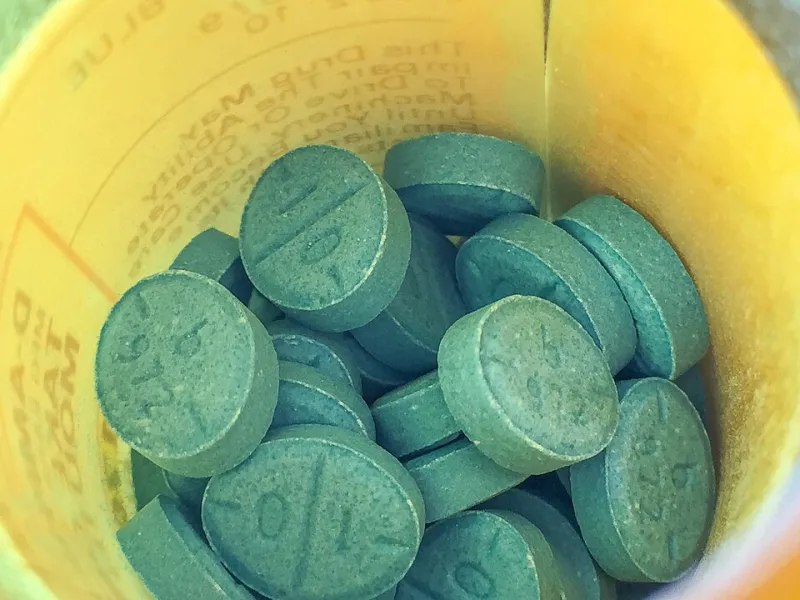
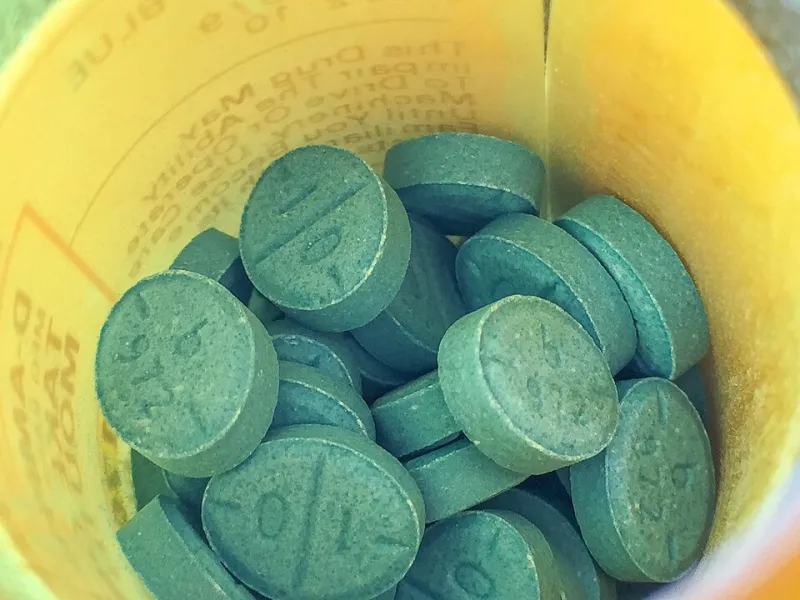
Photo: Tony Webster from Minneapolis, Minnesota, United States, CC BY 2.0, via Wikimedia Commons
Here's a number that surprises a lot of people at the pharmacy counter: the generic version of a common medication can cost anywhere from 30 to 80 percent less than the brand-name original. Same active ingredient, same dose, same effect on your blood pressure or your cholesterol — a very different number on your receipt.
Yet plenty of Canadians still pay full freight for the brand, either because nobody told them a generic exists or because they assume cheaper means sketchier. Let's clear that up, turbo-style.
How a Generic Earns Its Spot on the Shelf
Generic drugs in Canada aren't just knockoffs that slipped through the cracks. Health Canada requires every generic to demonstrate bioequivalence — meaning it gets absorbed into your bloodstream at roughly the same rate and to the same extent as the brand-name original. The acceptable range is tight, typically 80 to 125 percent, which sounds wide until you learn that batch-to-batch variation in brand-name drugs can fall in the same zone.
Because the brand already proved the drug works, generics don't have to repeat years of clinical trials. That's the whole reason they're cheaper: they skip the R&D tab, not the safety checks. Every generic sold here is manufactured in a facility inspected by Health Canada and held to the same Good Manufacturing Practice standards as the big-name producers.
Why the Price Gap Is So Massive
Once a brand-name patent expires, multiple manufacturers can compete. In Canada, provincial drug plans and private insurers often push generics even harder through formulary rules and price negotiations. A generic atorvastatin might run you a few dollars for a month's supply; the brand version can cost ten times that.
The Numbers: Ten Most-Filled Prescriptions, Compared
| Medication | Common Use | Brand-Name (approx./month) | Generic (approx./month) | Savings |
|---|---|---|---|---|
| Atorvastatin | Cholesterol | $50+ | $5–12 | Up to 80% |
| Metformin | Type 2 diabetes | $40+ | $5–10 | ~75% |
| Amlodipine | Blood pressure | $35+ | $4–8 | ~75% |
| Lisinopril | Blood pressure | $30+ | $4–8 | ~70% |
| Levothyroxine | Thyroid | $30+ | $8–15 | ~60% |
| Metoprolol | Heart rate/BP | $35+ | $6–12 | ~65% |
| Simvastatin | Cholesterol | $40+ | $5–10 | ~75% |
| Omeprazole | Acid reflux | $45+ | $8–14 | ~70% |
| Losartan | Blood pressure | $40+ | $7–12 | ~70% |
| Gabapentin | Nerve pain | $60+ | $12–20 | ~70% |
Prices vary by province, pharmacy, and whether you have coverage — but the pattern doesn't. Generics win, consistently.
When Switching Makes Sense (and When It Doesn't)
For the vast majority of prescriptions, switching to a generic is a no-brainer. There are, however, a few edge cases worth a conversation with your pharmacist or doctor:
- Narrow therapeutic index drugs — medications like warfarin or certain seizure meds, where tiny blood-level differences matter more. Switching is often still fine, but some pharmacists prefer you stay on one version consistently.
- Inactive ingredient sensitivities — the filler ingredients can differ between brand and generic. If you have a known allergy or sensitivity, flag it.
- Patching or extended-release formats — delivery mechanisms can vary slightly between manufacturers, so consistency matters for some formulations.
The 30-Second Question to Ask at Pickup
Next time you collect a prescription, try this: "Is there a generic for this, and is it on my plan's formulary?" That single question, asked consistently, can save the average Canadian household hundreds of dollars a year. Pharmacists field it constantly — it's not annoying, it's smart.
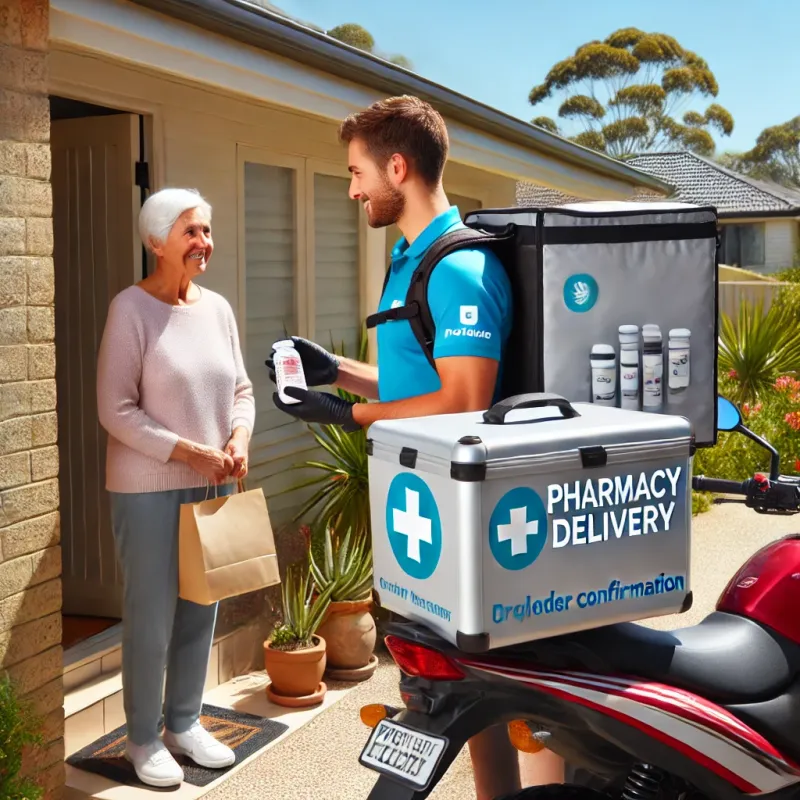
If you're ordering online, the same rule applies. Reputable Canadian pharmacies list generic alternatives right on the product page, and a good one will prompt you to confirm the substitution with your prescriber. If a site pushes brand-name only at premium prices with no generic option mentioned, treat that as a yellow flag.
The Bottom Line
Generics in Canada are safe, regulated, and dramatically cheaper. Unless your specific situation calls for staying on the brand — a conversation worth having once, not forever — the generic aisle is where your wallet wants to be. Fast shipping is great; paying 70 percent less for the same medicine is better.