The Extra Bottle Problem: A 2026 Guide to Repeat Prescription Parcels
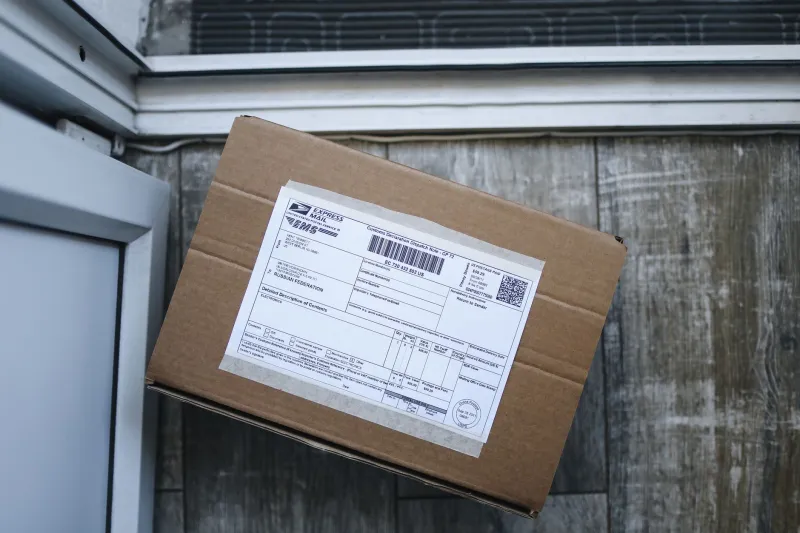
The parcel that shouldn't exist
You ordered your usual refill, maybe a one-time top-up, and then two boxes land on the step. Same medication. Same strength. Same name. One invoice you expected, one you didn't. With turbo-fast delivery, it is easy to assume the extra bottle is a harmless hiccup—or a bonus. It usually isn't. A duplicate prescription parcel can mean a double charge, a confused insurer, and a stash of medication you didn't plan for.
The good news: most duplicate deliveries are fixable. The trick is to treat the parcel like a paperwork problem, not a race to the medicine cabinet.
First, don't open the extra bottle
Check the packing slip before you break any seals. Look for the order number, fill date, quantity, and whether the parcel was billed as a refill, a new prescription, or a one-time order. If the labels match your current prescription and the quantity looks like a second full supply, set the unopened bottle aside.
Do not start taking the duplicate just because it is the same pill. If the dose changed, if the pharmacy switched manufacturers, or if one parcel is a bridging supply, the two bottles may not be interchangeable. And if the medication is controlled or temperature-sensitive, extra handling matters.
Call or message the pharmacy the same day. Ask a simple question: 'Was this parcel supposed to ship?' Get the answer in writing if you can—email or portal message is fine. That message becomes your paper trail if billing gets messy later.
How two bottles happen in a turbo lane
Duplicate deliveries are rarely one dramatic failure. They are usually two ordinary workflows running at the same time. You request a refill online while an automatic refill is already queued. A prescriber sends a new prescription for the same drug after a dose adjustment. A short bridging order is approved while the regular shipment is being packed. Or a family member orders on your behalf and the pharmacy's record still shows an old delivery address or an old card.
Fast online pharmacies often process refills and one-time orders in parallel because that is how they keep delivery quick. The speed is useful. The overlap is the risk. That is why the confirmation screen matters more than the tracking page: it shows what the pharmacy thinks it is sending, not just when it will arrive.
The keep-or-return decision
There is no universal return policy for prescription medication in Canada. Many pharmacies will not restock a prescription once it has left their control, for safety and regulatory reasons. So the answer is rarely 'tape the box shut and send it back.' Ask the pharmacy what it wants you to do before you mail anything.
If the pharmacy says to keep the extra supply, ask for written confirmation and check the expiry date. Store it properly, keep it labelled, and note it in your medication list so you don't accidentally reorder too soon. If the pharmacy says to return it, follow its instructions exactly—especially for controlled drugs, refrigerated biologics, or anything that needs a cold chain.
If the pharmacy says to dispose of it, use a pharmacy take-back program or your provincial medication-return option. Don't flush it and don't toss it in the household garbage.
Untangling the double charge
Check your credit card or bank statement before you call the pharmacy a second time. A pending charge may look like a double bill when it is only an authorization hold. If two completed charges are there, ask the pharmacy to reverse the duplicate one or issue a credit. Keep the packing slip, the order confirmation, and any messages.
Do not rush to a chargeback before you have contacted the pharmacy. A chargeback can freeze the whole account while the pharmacy investigates, and it may complicate future orders. A calm request with the order numbers is usually faster.
Insurance is the other half. If both parcels were claimed to a private insurer or a provincial plan, the second claim can look like double-dipping even when it was an honest mistake. Call the pharmacy first and ask it to correct or reverse the duplicate claim. If the claim still appears, contact your insurer and explain what happened. Have the dates, prescription numbers, and pharmacy contact information ready.
Safeguards for the next order
A few small habits can keep the extra bottle from coming back. Use one pharmacy record per patient, and make sure every prescriber has that pharmacy's details. Turn off automatic refills when you are ordering a one-time supply, then turn them back on when the regular schedule resumes. If you are ordering for a parent or partner, check the patient name and delivery address on the confirmation screen, not just the payment card.
Before you click 'order,' read the itemized summary. Does it show one bottle or two? A refill or a new prescription? The correct address? If the pharmacy sends a shipment notice, compare it with what you expected. And if you are going away, say so—turbo-fast shipping does not help if the parcel arrives after you do.
Finally, keep a simple medication list with fill dates. It sounds old-fashioned, but it is the quickest way to spot a duplicate before it becomes a double charge. In a fast-delivery world, a little paperwork is still the best co-pilot.
The bottom line
A duplicate prescription parcel is not a freebie and not a disaster. It is a logistics problem with a billing tail. Don't open the extra bottle, don't take it without checking, and don't mail it back without instructions. Call the pharmacy, get the plan in writing, and follow the paper trail until the charge and the claim match your actual order. That is how you keep the turbo convenience without letting the extra bottle turn into an extra headache.