The Refill Racer's Playbook: Sync Your Scripts, Stack Your Savings, Skip the Panic
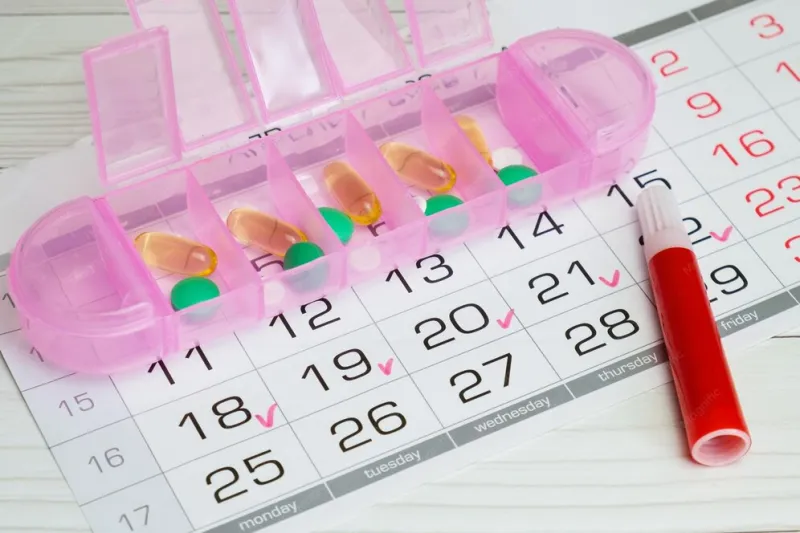
Photo: pill organizer calendar prescription medication planning desk, via img.freepik.com
Picture this: it's a Friday night, your inhaler is on its last puff, and the pharmacy closes in twenty minutes. Sound familiar? For millions of Canadians, the prescription refill game is a scramble — and scrambles cost money. Late renewals mean paying full retail for a bridge supply, splitting packs, or shelling out for rush delivery. The fix isn't more willpower. It's a system.
Welcome to the Refill Racer's Playbook — a simple way to sequence your medications so you never pay full price or wait a day for the meds you need.
Why Timing Is the Hidden Cost in Your Medicine Cabinet
Drug pricing gets all the headlines, but logistics quietly drains wallets. When you refill reactively, you lose the leverage that comes with planning:
- Emergency top-ups often mean smaller quantities, which cost more per tablet.
- Missed 90-day windows push you back into 30-day fills, which typically carry higher dispensing fees per unit.
- Coverage cycles reset on calendar dates — if your private plan or provincial program renews in January and you're mid-supply, you can strand benefits you've already paid for.
- Rush shipping fees pile on when you're out of runway.
A racer doesn't brake at the last corner. Neither should your refills.
Step One: Map Your Meds Like a Race Circuit
Grab every prescription in the house and list three things: the drug name, the days of supply per fill, and the earliest refill date your pharmacy or insurer allows. Most plans let you renew when you're about 75–80% through a supply — that's your green flag.
Now stagger them. If you have three maintenance meds, don't let them all run dry the same week. Spread the renewal dates across the month so a single shipping delay or pharmacy hiccup never takes out your whole roster at once. Think of it as a relay: one baton always in hand.
Step Two: Stack 90-Day Supplies With Turbo Shipping Windows
Here's where the real savings lap the field. A 90-day fill does three jobs at once:
- It cuts your dispensing fees — one fee instead of three.
- It locks in bulk pricing, which is where online Canadian pharmacies shine.
- It buys you a buffer, so a courier delay is an inconvenience, not a crisis.
The trick is pairing that 90-day supply with a realistic shipping window. Order when you've got at least 10–14 days of meds on hand. Reputable online pharmacies will tell you their dispatch and delivery estimates up front — build your refill date around the slow estimate, not the fast one. Turbo shipping is great; it's not a substitute for a head start.
Step Three: Sync With Your Coverage Cycle
Whether you're on a provincial program like OHIP+ or Trillium in Ontario, Pharmacare in BC, or a workplace plan through Sun Life or Manulife, your benefits follow a calendar. Mark the reset date. Then time your big fills so they land just after a reset — that way you're drawing down fresh coverage, not limping through the tail end of an exhausted deductible.
If you've hit a deductible for the year, late fall is often the smartest stretch to fill anything forecastable. You've already paid the entry fee; use the track.
Your Downloadable Refill Calendar Template
Build yours in any spreadsheet with five columns:
| Medication | Days per Fill | Earliest Refill Date | Order-By Date (14-day buffer) | Coverage Notes |
|---|---|---|---|---|
| Example: Atorvastatin | 90 | Mar 12 | Feb 26 | Plan resets Jan 1 |
Set two phone reminders per med: one at the order-by date, one a week later as a shipping check. Fifteen minutes of setup, once a year, and the machine runs itself.
The Racer's Golden Rules
- Never let any prescription drop below a 10-day cushion.
- Batch smart: group meds that ship together, stagger the rest.
- Order around coverage resets, not against them.
- Use fast shipping as a safety net, not a plan.
Refill racing isn't about cutting corners — it's about never being forced to. Get the calendar built, and the full-price panic refill becomes a thing of the past.