The Last 30 Feet: Getting Your Prescription Parcel Past Pirates, Puddles and Mailroom Chaos
Your online pharmacy can do everything right—verify the prescription, pack it carefully, slap on a tracking label, and move it across three provinces in what feels like record time. Then the parcel reaches your street. The last 30 feet are where a perfectly good delivery turns into a missing-package ticket, a soggy cardboard box, or a neighbour's porch. If you're ordering discounted Canadian meds with turbo-fast shipping, it's worth treating the handoff as part of your prescription plan, not an afterthought.
This isn't about blaming carriers or turning your front step into a fortress. It's about choosing a delivery method that matches your household, your building, and your schedule—and knowing what to do if the package goes sideways.
Signature Required vs. Safe Drop: Know What You're Actually Choosing
Most online pharmacies offer a few handoff styles, and the differences matter more than the checkout page lets on.
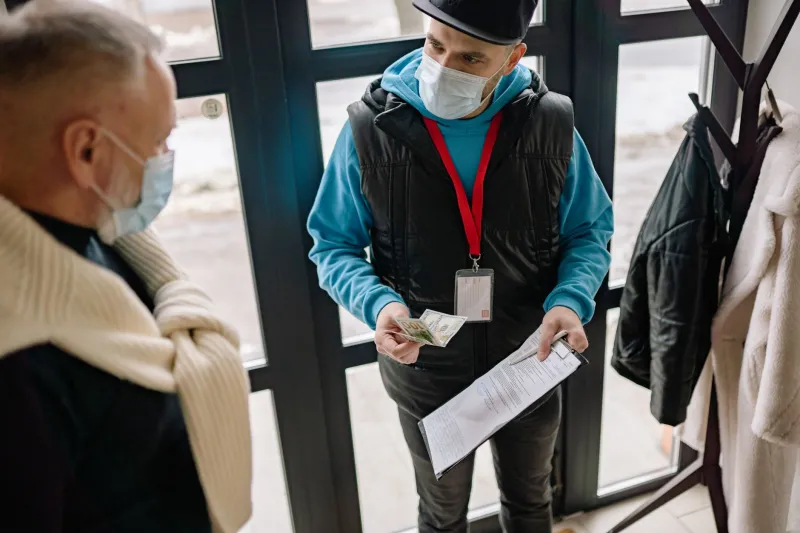
Signature required means someone has to be there to take the parcel. That could be you, a roommate, a spouse, or sometimes a building concierge. It's the safest option for expensive or temperature-sensitive medications, but it only works if your household can reliably answer the door. If you work shifts, travel, or live in a buzzer-entry building where couriers struggle to get in, a signature-required shipment can turn into a game of delivery-tag.
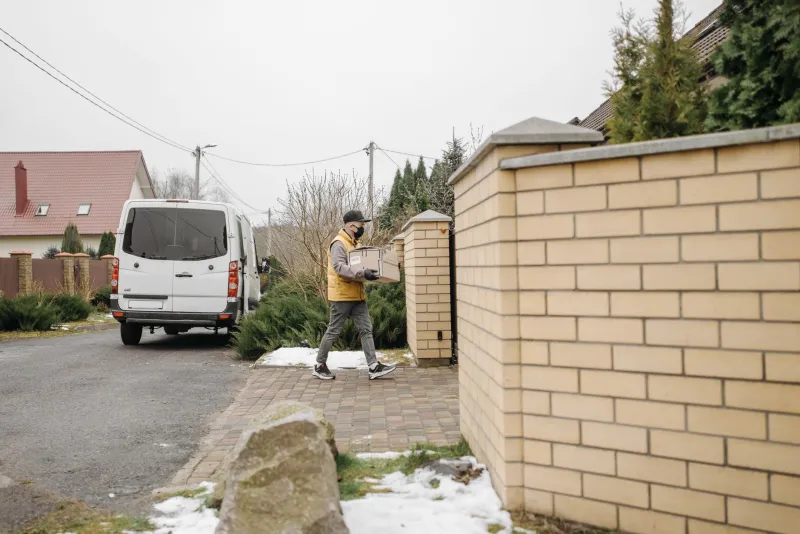
Safe drop is the opposite: the carrier leaves the parcel at your door if they judge the spot to be secure. It's convenient, and for a cheap generic refill it may be perfectly fine. But safe drop is a judgment call made by a stranger in about four seconds. A shaded porch on a quiet crescent is not the same as a lobby vestibule on a busy downtown street.
Pickup points and lockers sit in the middle. Canada Post's FlexDelivery service, for example, lets you direct parcels to a post office for pickup rather than your home address. Some carriers also have partner pickup locations. You trade a little convenience for a lot more control—especially if you're not home during the day.
Before you click 'ship,' read the pharmacy's delivery options carefully. If the site doesn't explain whether a signature is required or whether safe drop is allowed, ask customer service. A quick chat beats a missing parcel later.
Match the Handoff to Your Actual Life
A delivery method that works for a suburban house with a covered porch may be a terrible fit for a downtown condo or a rural address with a community mailbox at the end of the lane.
If you live in a house, think about where a courier would leave a parcel. Is it visible from the street? Is it sheltered from rain or snow? Would a neighbour notice someone walking up? If the answer is 'it's a gamble,' choose signature required or a pickup point.
If you're in an apartment or condo, find out exactly where parcels go. Some buildings have a concierge who signs for packages. Some have a parcel room with a sign-in sheet. Others have a lobby locker system, and still others just have a stack of boxes near the mailboxes. The difference between those setups is the difference between a reliable handoff and a black hole.
If you're rural, your 'porch' might be a community mailbox or a lane-side box. Weather exposure and visibility are bigger issues. A pickup point in town may add a drive, but it can be worth it for medications that shouldn't sit in a snowbank or bake in a metal box.
Weather Is a Silent Package Thief
Canadian delivery means dealing with snow, sleet, rain, and the occasional heat wave. A parcel left at the door in January can be buried by a plow or soaked by a thaw. In July, a cardboard box on a sunny step can get hot enough to make you think twice about anything temperature-sensitive.
If your medication needs to stay within a certain temperature range, don't gamble on safe drop. Choose a pickup point or signature required, and bring the parcel inside as soon as you can. If a package has been sitting outside in extreme cold or heat, don't just open it and take the dose. Call the pharmacy and ask whether the medication is still usable. Most pharmacies would rather answer that question than have you guess.
The Condo Mailroom Problem
Condo mailrooms are convenient until they aren't. Parcels can be signed for by building staff who then go off shift. They can be placed in a parcel room that's only open during business hours. They can be left with a neighbour you've never met. And in buildings with high turnover, a package can sit in a common area long enough for someone to notice.
If you live in a condo, ask your property manager how deliveries are handled. Then ask the pharmacy what happens if the carrier can't get into the building. Some carriers will leave a notice card; others will try a neighbour. A little homework now can save a lot of finger-pointing later.
If the Package Vanishes or Arrives Damaged
First, check the tracking. A parcel marked 'delivered' may have been left with a concierge, a neighbour, or in a parcel locker. Look around before you panic.
If you truly can't find it, contact the pharmacy first. Ask specifically: 'Is this shipment insured, and what is your reship policy for a package that shows delivered but wasn't received?' Get a ticket number and follow up in writing if you can. The pharmacy may open a claim with the carrier, and some will reship once the claim is processed. You should not have to pay twice for the same prescription because a parcel disappeared.
If the box arrives damaged, photograph it before you open it if possible. If the medication itself is damaged—crushed blister packs, a broken bottle, a compromised cold pack—don't use it. Contact the pharmacy, describe the damage, and ask for instructions. Keep the packaging until you're told what to do with it.
If you paid by credit card and the pharmacy won't help, a chargeback is a last resort. It's slower and more stressful than a reship, but it exists for a reason. Start with the pharmacy's customer service, then escalate if you need to.
A Five-Minute Handoff Plan
Before your next order, jot down a few answers: Who will be home? Where will the carrier leave the box? Is there a concierge or parcel room? Would a pickup point be easier? Does the medication need temperature protection? What is the pharmacy's missing-package policy?
Then choose the handoff method that fits those answers—not the one that sounds fastest at checkout. Turbo shipping is a great thing, but speed doesn't matter if the parcel ends up in a snowbank or someone else's hands. A boring, predictable handoff is the best kind of delivery.